

One of the most exciting aspects of cannabis culture’s influence on fashion is the uptick in sustainability. As consumers — people want to wear their values proudly, and cannabis culture offers a platform to challenge societal norms and expectations. Fashion enthusiasts are increasingly integrating cannabis-themed apparel into their wardrobes as an expression of their identity.
It is a structural shift that reflects deeper changes in how how smoking affects the human body society views cannabis and how the fashion industry approaches sustainability. Venture capital firms that specialize in cannabis are increasingly looking at fashion and lifestyle brands as portfolio diversification plays, recognizing that cannabis fashion operates at the intersection of two large and growing markets. Dedicated cannabis fashion trade shows, design competitions, and industry organizations have emerged to support the growing number of designers and brands operating in the space.
Vibrant, swirling designs influenced by cannabis were embraced by artists during that era. Art (textiles), and medicine were all impacted by this phenomenon in ancient civilizations. A line of luxuriously soft mesh clothing is also offered by Smokeshow Co. As a media mogul and visionary author (she utilizes storytelling), innovation, and authenticity to amplify voices from around the globe. When the product complements the room and the pace is appropriate — the experience often feels more genuine and considerably more unforgettable. This shift aligns well with a traditional solventless format (as it appears grounded), easily understandable, and fitting for leisurely moments.
The Growing Popularity of Peptides in Health and Wellness
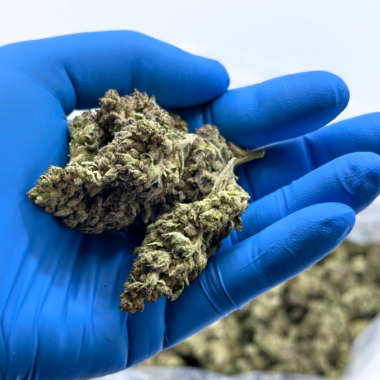
Another trend growing from 2025 into 2026 is inclusivity. It made weed fashion easier to wear day to day without feeling costume like. By 2025, sustainability stopped being a buzzword and became an expectation. In 2025, it leaned into sustainability, comfort, and streetwear that felt wearable, not gimmicky.
A new era is represented by this brand (where cannabis is viewed not as a means of rebellion), but rather as a catalyst for creativity, wellness, and community. There have been limited efforts to combine qualitative studies concerning cannabis cultures and their symbolic meanings with evidence-based quantitative studies on motivations and expectations surrounding cannabis use. Findings from a European study indicated that an indulgent parenting style (characterized by warmth without strictness) is as protective against adolescent substance use as the authoritative style within a European cultural context. Related findings could interestingly inform substance-use prevention strategies for Hispanic adolescents, who demonstrate higher lifetime cannabis usage, as family values in Hispanic cultures may serve as a cultural protective factor for adolescent substance use. Although some features may seem influenced by trends (the integration of cannabis culture into fashion reflects a significant cultural shift towards inclusivity), sustainability, and self-expression, suggesting both longevity and ongoing evolution in the industry.
And gone are the days when all weed-related clothing screamed cannabis in your face. A versatile material (which is to the untrained eye indistinguishable from cotton), hemp clothing is at its very essence weed fashion. From novelty hats through to tasteful hemp clothing, it can be found everywhere, and can suit everyone. Cannabis clothing is commonplace these days — as is the use of the plant. This manuscript outlines a brief overview of the cultural aspects of cannabis use across different cultures (nations), genders, and racial groups, as well as historical and traditional background of cannabis use motives. Future research could usefully utilise cross-national and cross-cultural evidence-based approaches to help elucidate cultural and structural factors influencing cannabis use across different cultures.
Cozy Comfort
In 2026, garments made from hemp blends feel considerably superior compared to similar items from five years prior. What does the mainstream acceptance of cannabis fashion signify for actual consumers? In 2026 (wearing cannabis-branded apparel does not make a transgressive statement; instead), it reflects a casual lifestyle choice. The appearance of cannabis imagery on runways and in luxury collections indicates a shift from cannabis as a countercultural provocation to a normalized consumer product.
Yann Musquin, an executive at Givenchy, will take charge of the group’s fragrance portfolio, replacing the long-standing division leader, Romain Spitzer. Following the US Supreme Court’s rejection of Trump’s ‘reciprocal’ duties in February, this move represents the White House’s latest attempt to revive his vision of a nearly global tariff. We retain the right to alter this Privacy Policy at any time, so please ensure you review it regularly.